Free to check
Checking costs nothing and commits you to nothing. There is no fee to search and no fee to open a claim, and we will tell you straight if there is nothing there.
When a home is sold at a foreclosure auction or a tax sale for more than was owed on it, the county keeps the difference until somebody claims it. Owed checks whether any of it has your name on it, and does the filing for you.
Encrypted. Never sold.
Here is roughly how much is waiting, state by state. Hover a state to see its figure, or tap it to start your check there.
The county is not required to track you down, and the letter it does send goes to the address that was foreclosed on. That is the whole reason this money sits unclaimed.
Checking costs nothing and commits you to nothing. There is no fee to search and no fee to open a claim, and we will tell you straight if there is nothing there.
We pull the county's own records, prepare the claim, and deal with the county's questions until it is resolved. You are not left to work out the paperwork on your own.
Our fee comes out of money that actually reaches you, and nothing is ever owed upfront. Fees vary by state and are capped by state law.
Pick the closest and we will start the check with that already filled in. If none of them fits, the full check covers every case.

A lender foreclosed and the property sold at auction for more than the debt against it. That difference belongs to the former owner, not to the lender and not to the county.
See if you're owed.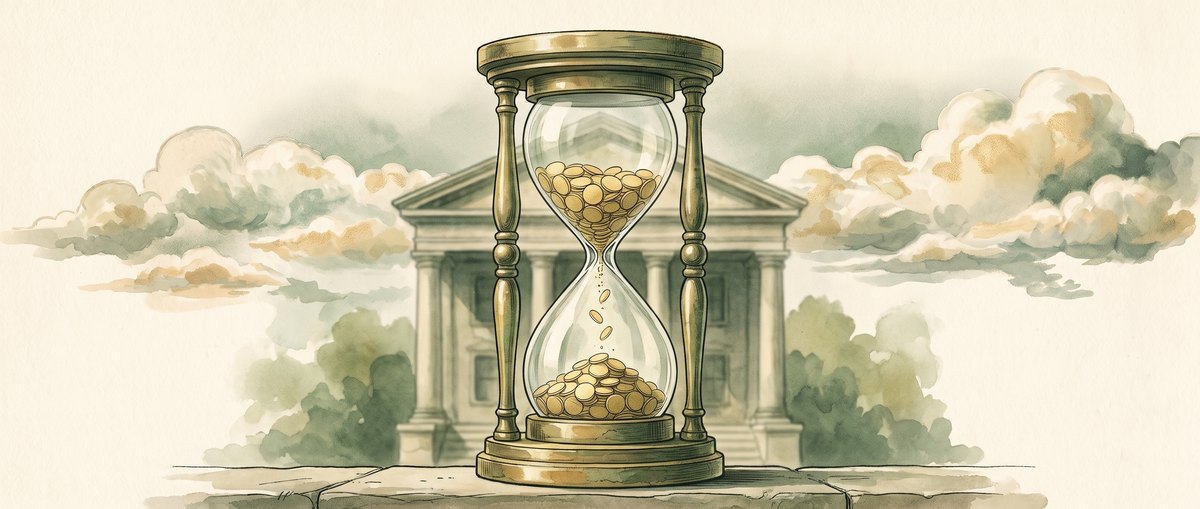
A county sold the property over unpaid taxes and it fetched more than was owed. These carry the shortest deadlines of any claim, so the timing matters more here than anywhere else.
See if you're owed.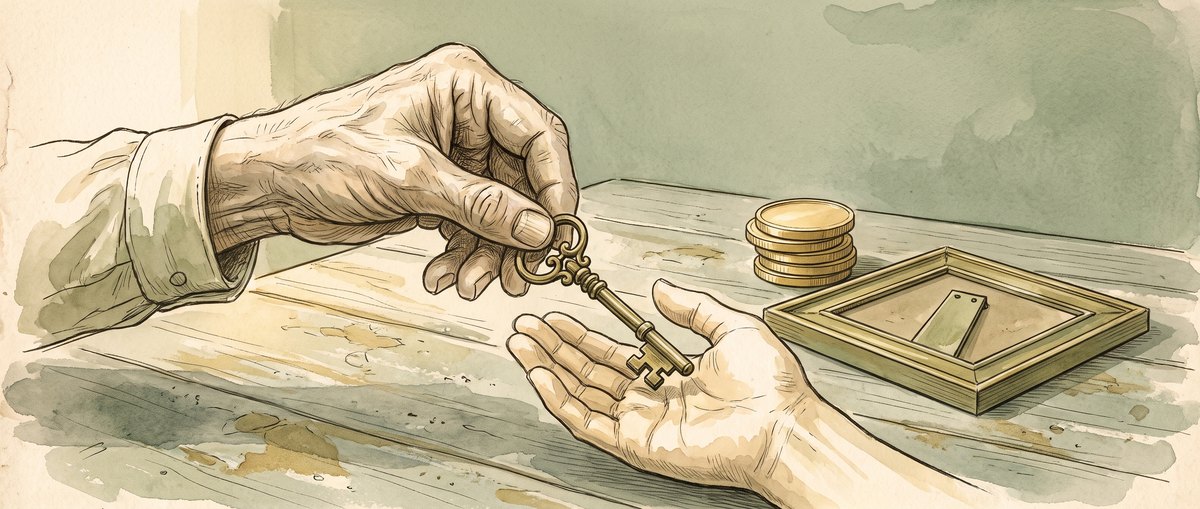
The owner has passed away. Family, heirs and the person handling the estate can still claim, and the extra paperwork that involves is handled for you.
See if you're owed.Not quite your situation? The full check covers these too.
No documents, no appointment and no cost. The check happens on this site, and you decide what happens after it.
Where it was, roughly when it sold, and whether you were the owner or you are family. Plain multiple choice, about a minute, and there is nothing to upload.
About a minute
Surplus funds are public record. We search the county's file for the property and the name, including the spellings, married names and estate filings an exact search misses.
Public records
If a record matches, we send you the county's own document so you can read it yourself before deciding anything. If nothing matches, we say so and keep checking as counties publish.
Plain English
We prepare the claim, file it, and stay with the county until the money is released. Our fee comes out only when the money actually reaches you.
You pay only on recoveryGeraldine Tyler was 94. Hennepin County, Minnesota seized her condo over a tax debt that had reached $15,000, sold it for $40,000, and kept all of it, including the $25,000 that had nothing to do with what she owed. In May 2023 the Supreme Court ruled against the county unanimously: keeping more than you are owed is an unconstitutional taking.
“The taxpayer must render unto Caesar what is Caesar's, but no more.” Chief Justice John G. Roberts, Jr., Tyler v. Hennepin County, 598 U.S. 631 (2023)
The vote. Every justice agreed that a county keeping more than it was owed is an unconstitutional taking under the Fifth Amendment.
Tyler v. Hennepin County, 598 U.S. 631 (2023)What the county kept above Geraldine Tyler's $15,000 debt after selling her home for $40,000.
Tyler v. Hennepin County, 598 U.S. 631 (2023)Surplus generated for distressed homeowners by foreclosure sales since 2016. An industry estimate, not a government figure, so treat it as directional.
Auction.com, Seller Strategy ReportFlorida's ceiling on what a non-attorney may charge to recover surplus for you. Caps differ by state and the cap always governs our fee.
Fla. Stat. §45.033Sources: Tyler v. Hennepin County, Minnesota, 598 U.S. 631 (2023). Auction.com Seller Strategy Report, an industry estimate rather than a government statistic. Florida Statutes §45.033. A ruling that surplus belongs to the former owner is not evidence that money is owed to any particular person. Only a county's own records can show that, and looking at them is exactly what the check does.
One check against the county's own records. It costs nothing, it takes about a minute, and there is no obligation at the end of it.
See if you're owed. Free to check. You only pay if we recover.